240 GSM vs 180 GSM T-Shirt India: Which Should You Actually Buy?
The 240 GSM tee is heavier, more structured, and holds graphics better across repeated washes. The 180 GSM tee is lighter, more breathable, and smarter for hot-weather daily wear. Which one you actually need depends on what you're buying the tee for — not which number sounds more premium.
We make our tees at CartoonPanti in 240 GSM ring-spun combed cotton, so we've had this conversation a lot. This is our honest take on both.
What Does GSM Mean in T-Shirts?
GSM stands for grams per square meter. It's the weight of fabric per unit area — a direct measure of how much cotton is packed into the cloth. A 240 GSM tee has more fibers per square meter than a 180 GSM tee, making it thicker, heavier, and more structured. It does not automatically make it better. A poorly made 240 GSM tee can feel scratchy and stiff. A well-made 180 GSM bio-washed tee can feel incredibly soft and premium. GSM is one variable in a larger quality equation.
240 GSM vs 180 GSM: The Core Differences
| Property | 180 GSM | 240 GSM |
|---|---|---|
| Weight | ~180g per sq. metre | ~240g per sq. metre |
| Feel | Light, soft, drapes easily | Substantial, structured, premium hand-feel |
| Breathability | High — better for April–June heat | Moderate — comfortable in AC, evenings, Oct–Feb |
| Oversized drape | Good but shoulder can collapse | Excellent — drop-shoulder stays clean |
| Screen-print durability | 50–80 washes | 80–100+ washes |
| DTF print durability | 25–35 washes | 30–50 washes |
| Typical price (India) | ₹399–₹599 | ₹699–₹999 |
| Best for | Daily basics, humid cities, layering | Graphic tees, oversized fits, streetwear |
When 180 GSM Is the Right Call
If you live in Mumbai, Chennai, or Hyderabad — anywhere with eight-plus months of sticky heat — a 180 GSM tee is your sensible everyday pick. Lighter fabric means more airflow, and when you're commuting in 38°C humidity, you'll notice the difference in about 10 minutes on the road.
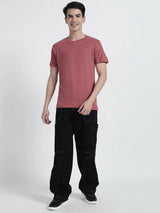
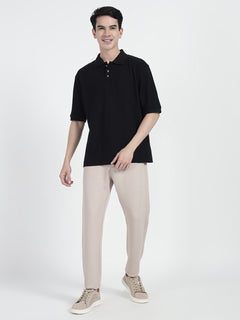
Plain solid tees that you wear under a shirt, layer with a jacket, or just throw on for a quick class trip or canteen run? 180 GSM does the job perfectly. Browse the men's plain tees and solid tees if this is what you're after — they wash easy, dry fast, and hold color well through a full year of daily rotation.
180 GSM also makes sense when you're buying multiple tees on a budget. You can get 2–3 solid-color tees for what one 240 GSM graphic tee costs, and if you're rotating through them every day, that arithmetic matters.
When 240 GSM Is Worth the Extra Money
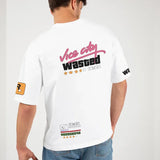
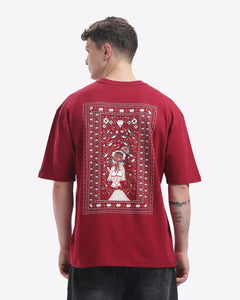
For oversized fits, 240 GSM fabric is structural, not optional. A lightweight fabric can't hold an oversized silhouette properly over time. The shoulder seam drifts, the body bunches, and after 10 washes the tee looks like it gave up. A heavier fabric maintains the drop-shoulder line and boxy hang that defines the oversized look. This is why virtually every quality oversized streetwear brand manufactures at 200 GSM or above.
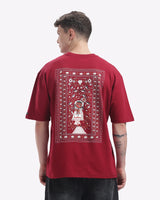
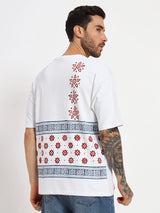
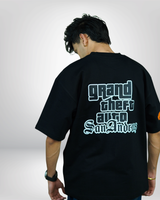
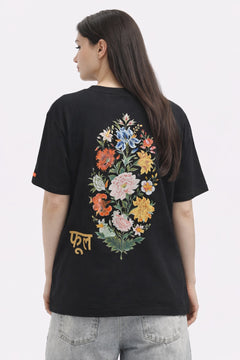
For graphic tees, heavier fabric holds ink better. Whether the print method is screen printing or DTF, the denser weave gives ink more surface to bond with. This is why graphic tees from fast-fashion brands at 160 GSM crack and fade after 15–20 washes, while a quality 240 GSM screen-printed tee can hold its design clean for 80–100+ washes.
Check the oversized t-shirts collection to see what 240 GSM combed cotton looks like in practice — the fabric weight is what keeps those shoulder drops and hem lengths where they should be, even after 30 washes.
How GSM Affects Graphic Print Durability
Most guides skip this part, but it's one of the main reasons we chose 240 GSM for CartoonPanti tees.
When a print is applied to lighter fabric, the base cloth has less structural integrity. Every time you wash it, the fabric flexes more, and that flex stresses the bond between print and cloth. On DTF (direct-to-film) prints — common in smaller Indian streetwear brands doing test runs — a 180 GSM base gives you roughly 25–35 wash cycles before the print starts peeling at edges. At 240 GSM, the same DTF print holds for 30–50 washes.
Screen printing performs better on both weights, but the gap is real: screen-printed designs on 180 GSM last around 50–80 washes, while 240 GSM can push past 100 washes without significant fading if the ink is good.
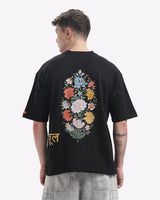
If you're spending ₹800+ on a graphic tee, the graphic should survive at least two years of regular washing. That argument alone makes 240 GSM worth the price for anything with art on it. The Chaap block-print collection and the Mood Tee collection both use 240 GSM combed cotton specifically so the print outlasts the trend.
GSM and Indian Weather: A Practical Guide by Season
India doesn't have one climate. But this rough calendar works for most metros and tier-2 cities:
- March–June (peak summer): 180 GSM wins. Delhi hits 45°C, Bhopal crosses 42°C, and even 240 GSM in the shade feels warm after noon. Lighter tees for daytime outdoor wear.
- July–September (monsoon): Either weight works, but 240 GSM dries slower when it gets wet. If you're commuting in rain, 180 GSM is the practical call. For indoor wear and evening college hangs, 240 GSM is fine.
- October–February: 240 GSM is your default. The structure feels right, the weight keeps you from freezing in AC on a cold night, and this is peak drop season for oversized fits anyway.
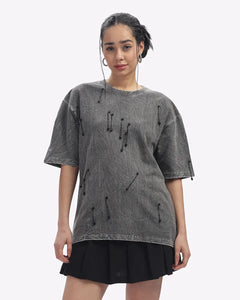
For women's oversized fits, the same logic applies — the women's oversized t-shirts in 240 GSM are designed for fall-winter wear and campus days, not peak summer afternoons.
The Price Reality: Is 240 GSM Worth ₹200 More?
In the Indian market, a decent 180 GSM plain tee runs ₹399–₹599. A quality 240 GSM graphic or oversized tee runs ₹699–₹999. That ₹200–₹300 gap buys you roughly 30–40% more fabric by weight, a significantly better oversized silhouette, and noticeably longer print life on graphic tees.
For solids and basics — where there's no graphic to preserve and you just need a comfortable everyday tee — 180 GSM at a lower price is a rational buy. For any tee with original art on it, or any oversized silhouette you want to keep looking clean for 2+ years, 240 GSM earns its price.
The best-sellers and new arrivals at CartoonPanti are all 240 GSM combed cotton — that's a deliberate call, not a flex. Plain basics for layering are where lighter weights make sense. Anything with a design on it gets the heavier fabric.
One More Thing: Yarn Type Matters as Much as GSM
A 240 GSM tee made from carded cotton can feel rougher and cheaper than a 180 GSM tee made from ring-spun or combed cotton. The GSM number tells you how much fabric is there — the yarn type tells you how refined it is.
Ring-spun cotton has longer fibers twisted together more tightly, giving a softer, smoother surface. Combed cotton takes that further by removing short fibers before spinning, making it softer and more resistant to pilling. Bio-washing adds a finishing treatment that makes fabric feel worn-in from the first wear. When you're comparing tees by GSM, check the yarn type alongside the number. "240 GSM combed cotton bio-washed" is a different product from "240 GSM regular cotton" — the first will feel premium, the second might not.
For reference on cotton fiber processing, Wikipedia's cotton article covers the difference between carded and combed fiber preparation in detail.
Frequently Asked Questions
Is 240 GSM too heavy for Indian summers?
For peak summer outdoor wear in cities like Delhi, Bhopal, or Pune, yes — 240 GSM feels warmer than necessary during the day. In AC environments, evenings, or from October onwards, 240 GSM is comfortable and won't cause overheating. It depends more on when and where you wear it than on the fabric weight alone.
Which GSM is better for oversized t-shirts?
200 GSM or above, with 240 GSM being the sweet spot for Indian streetwear. Lighter fabrics can't maintain the shoulder drop and boxy hang that define the oversized silhouette. After a few washes, sub-200 GSM oversized tees lose their shape and drape poorly at the chest and sleeves. Heavier fabric keeps the fit intentional.
Does higher GSM mean better quality?
Not automatically. GSM measures fabric density, not fabric quality. A 180 GSM ring-spun combed cotton tee can outperform a 240 GSM carded cotton tee in softness and durability. Always check both the GSM and the yarn type — ring-spun vs. carded, combed vs. uncombed — before drawing conclusions about quality.
How many washes does a 240 GSM graphic tee last?
A 240 GSM screen-printed tee washed properly — cold water, inside-out, no dryer — should hold its graphic for 80–100+ washes. That's roughly 3–4 years of weekly washing. DTF prints on 240 GSM last 30–50 washes, which is why most quality brands move from DTF pilot runs to screen printing for production.
Are CartoonPanti tees 180 or 240 GSM?
All CartoonPanti graphic and oversized tees are 240 GSM 100% ring-spun combed cotton, bio-washed. We chose this weight for graphic durability and oversized silhouette retention. Tees start at ₹799 with free shipping above ₹999 and COD available. Explore the full range in the oversized collection.
Streetwear Outfits for College India: The 2026 First-Year Starter Guide
Indian Streetwear Brands to Watch in 2026
Related Posts

Why Is Everyone Wearing Oversized Clothes? A Short History, and What It Means in India

What to Wear to a Friend's Shaadi in India: Haldi to Sangeet, Without Renting a Sherwani

Diwali Gift Ideas Under ₹1,000 for Brother and Friends: What Actually Works

What Is a Drop Shoulder T-Shirt? How to Spot a Real One

Best GSM for a Hoodie in India: 300 vs 400 vs 500 Explained

Oversized vs Regular Fit T-Shirt: Which One Should You Buy?

Casual Diwali Outfit Ideas 2026: 7 Looks for the Whole Festive Week