Best Joggers for Men in India: What GSM, Fabric, and Fit Actually Tell You (2026)
If you're buying joggers online in India, the product page will say "premium quality cotton" on literally everything — a ₹299 pair and a ₹999 pair. So here's what actually separates a jogger worth keeping from one that pills, bags out, and ends up at the back of your wardrobe by December.
This is the buying guide I wish existed before I wasted money on cheap polyester track pants.
What's the Difference Between Joggers and Track Pants?
Track pants are usually straight or wide-cut synthetic bottoms — nylon or polyester — made for athletic performance. They're lightweight, dry fast, and belong in the gym or on a cricket ground.
Joggers are cotton or cotton-blend bottoms designed for everyday wear. They typically have a ribbed cuff at the ankle, an elastic waistband with a drawstring, and a heavier fabric weight. The defining feature is the cuff — it creates the tapered-or-baggy-above-cuff silhouette that's become the default streetwear leg.
When someone says "streetwear joggers," they mean cotton joggers with attitude — not athleisure track pants.
The GSM Guide for Joggers (Plain Numbers, No Fluff)
GSM means grams per square metre — how much one square metre of the fabric weighs in grams. Higher GSM = heavier, denser fabric. Here's what the numbers actually mean for joggers:
| GSM Range | What It Feels Like | Best For | Durability | Approx. Price |
|---|---|---|---|---|
| Under 180 GSM | Thin, almost see-through when stretched | Nothing, really | Low — pills within 20 washes | ₹299–₹499 |
| 180–220 GSM | Decent weight, soft but not structured | Loungewear, light walks | Medium — fine for occasional use | ₹499–₹799 |
| 220–260 GSM | Noticeably heavier, holds shape properly | Daily campus wear, streetwear looks | Good — lasts 50+ washes | ₹799–₹1,200 |
| 260–300 GSM | Structured, premium drape | Streetwear, cooler weather, serious looks | Excellent | ₹1,000–₹1,500 |
For Indian weather, 220–260 GSM is the practical sweet spot. It's structured enough to look like an intentional streetwear piece — not like you rolled out of bed in gym clothes — but won't have you sweating through October like a 300 GSM fleece jogger would. Most quality Indian streetwear brands land in this zone.
Fabric Types: Cotton, French Terry, or Fleece?
GSM tells you how heavy it is. The fabric construction tells you how it breathes and wears over time. These are the three you'll encounter most:
Plain cotton knit (jersey): Lightweight and breathable. Works for summer and coastal cities like Mumbai and Chennai. Tends to lose shape faster, especially below 200 GSM — you'll notice the seat and knees bagging out after a few months of regular wear.
French terry (loop-backed cotton): This is the one you want for most Indian conditions. It's a cotton knit with small loops on the inside — adds warmth without bulk, dries faster than fleece, and holds structure significantly better than plain jersey. Most quality Indian streetwear joggers use French terry. It works from September through February in most of North and Central India — Bhopal, Indore, Lucknow, Delhi — without feeling too warm.
Fleece (brushed cotton): The loops of French terry, brushed into a soft warm nap. This is your winter jogger — Shimla, Shillong, Pune in January. Too warm for everyday September-October wear in cities like Hyderabad or Nagpur. If you're buying your first streetwear jogger, skip fleece unless you're in a genuinely cold region.
Honest take: if a brand doesn't mention fabric construction anywhere on the product page, that's a red flag. Any jogger worth ₹799+ should specify whether it's French terry, fleece, or plain jersey. If they won't say, the answer is probably thin jersey they don't want you to know about.
Which Fit Is Actually Trending for Men in India in 2026?
Three fits are in circulation right now and they're not interchangeable:
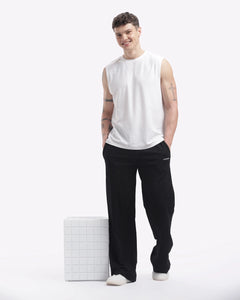
Baggy/wide-leg: Sits loose from the hip all the way to the ribbed cuff. This is the Instagram streetwear silhouette — wide through the thigh, cuffed at the ankle. You see it on every Delhi and Pune campus, every streetwear page from Bombay to Bengaluru. Needs 240+ GSM fabric to drape properly — lighter fabric makes baggy joggers look like you're wearing a puddle.
Straight-fit: Follows the natural line of your leg without being tight. The most versatile cut — equally wearable on campus, at a chai tapri, or at a casual family dinner. Pairs better with slim or regular-fit tees rather than oversized pieces.
Tapered: Wider at the thigh, narrowing sharply to the cuff. More gym-adjacent. Fine if that's your aesthetic, but in 2026 it reads more 2018 athleisure than actual streetwear. If you're dressing for street style rather than the gym, tapered is the weakest option right now.
For a streetwear-forward look in 2026, baggy or straight-fit is where you want to be. First-time buyer? Start with straight-fit — it styles across more situations without needing to build a whole outfit around it.
How to Actually Style Men's Joggers (With Indian Contexts)
Joggers are a base layer. The mistake most guys make is treating them like they need to perfectly match everything. They don't. Here are four formulas that work in real Indian daily wear:
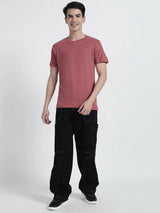
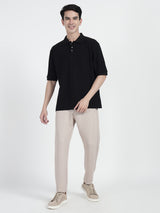
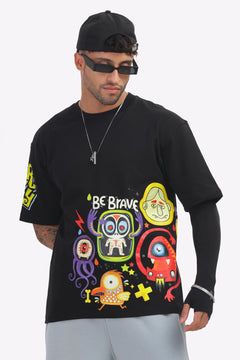
Campus casual: Baggy jogger (black or grey) + oversized graphic tee + white chunky runners. Works for morning lectures and the canteen equally. Key detail: keep the tee long enough to cover the waistband slightly — creates a cleaner layered look without trying.
Evening hangout: Straight-fit jogger + fitted full-sleeve tee + clean leather sneakers. Add a chain or a watch. This works for a mall trip or a casual outing where you want to look put-together without the effort. Bonus: it's the one jogger outfit your relatives won't comment on at a family function.
Full streetwear set: Matching hoodie + jogger in the same colorway. If your brand sells co-ords or matching sets, this is the cleanest look. Our hoodies paired with men's joggers in black or grey — effortless and consistently gets looked at. No thinking required.
Festive season vibe: Deep navy, bottle green, or maroon jogger + block-print or printed oversized tee + kolhapuri-style sandals. This combination works surprisingly well for October-November gatherings — Navratri pre-party, Dussehra hangouts, Diwali eve. The structure of a 240+ GSM jogger reads polished enough for these occasions when paired right.
What to Actually Check Before You Hit Buy
Most product pages don't tell you everything. Here's what to specifically look for:
GSM — if the listing doesn't mention it, the number is probably embarrassing. Fabric construction — French terry or plain jersey? Waistband — wide elastic drawstring holds shape; thin elastic without drawstring rolls down and looks terrible after a few washes. Cuff depth — deep ribbed ankle cuffs maintain elasticity far longer than shallow ones. Crotch seam construction — this is where cheap joggers fail first, usually within the first year of regular wear.
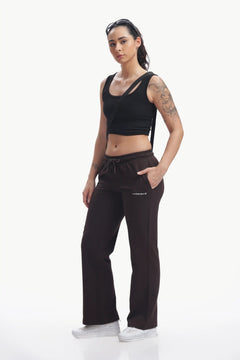
Our men's joggers and women's joggers are 260 GSM French terry cotton with deep ribbed ankle cuffs and a wide drawstring waistband — designed for Indian washing machine cycles, not hand-wash-only delicates. Starting at ₹799, the fabric quality compares with options priced ₹300-₹400 higher at most brand stores.
FAQs: Best Joggers for Men in India
What GSM is best for joggers in India?
For most Indian cities, 220–260 GSM is the ideal GSM for men's cotton joggers. This range is heavy enough to hold structure, maintain shape after repeated washing, and look like a proper streetwear piece — not like loungewear. 300 GSM+ fleece is for genuinely cold regions like Himachal Pradesh or Kashmir in winter.
What's the difference between French terry and fleece joggers?
French terry has looped backing on the inside — it adds warmth without bulk and dries faster than fleece. It's the better fabric for India's mild winters and air-conditioned campuses year-round. Fleece has those same loops brushed into a soft nap — warmer, suited for genuinely cold weather above 1,000m elevation. French terry is the more versatile everyday option for most Indian cities.
Are baggy joggers better than tapered ones for streetwear?
In 2026, yes. Baggy and wide-leg silhouettes dominate Indian streetwear right now — from campus style to Instagram fashion pages. Tapered joggers still work for gym or athleisure aesthetics but don't read as streetwear-forward. For campus or street looks, wide-leg cuffed joggers are the stronger choice this season.
What should I spend on quality joggers for men in India?
Spend at least ₹799 for a jogger with proper fabric weight and construction. Under ₹600 typically means below 180 GSM fabric that won't survive a full year of regular wear. The ₹799–₹1,200 range from quality streetwear brands gives you 220–260 GSM French terry that holds shape, holds color, and won't pill out by the second semester.
Can joggers work for festive occasions in India?
Yes — if the fabric is right. A 240+ GSM cotton jogger in deep navy, forest green, or maroon, styled with a printed block-print tee and kolhapuri sandals, works for Navratri get-togethers, Dussehra casual events, and pre-Diwali outings. The differentiator is fabric weight — thin polyester track pants won't read festive-ready, but a structured heavyweight cotton jogger will.
Streetwear Outfit Ideas for College in India: 6 Formulas That Actually Work
DTF vs Screen Printing: Which T-Shirt Print Actually Lasts?
Related Posts

Why Is Everyone Wearing Oversized Clothes? A Short History, and What It Means in India

What to Wear to a Friend's Shaadi in India: Haldi to Sangeet, Without Renting a Sherwani

Diwali Gift Ideas Under ₹1,000 for Brother and Friends: What Actually Works

What Is a Drop Shoulder T-Shirt? How to Spot a Real One

Best GSM for a Hoodie in India: 300 vs 400 vs 500 Explained

Oversized vs Regular Fit T-Shirt: Which One Should You Buy?

Casual Diwali Outfit Ideas 2026: 7 Looks for the Whole Festive Week